We have all been there. You are kneeling on a cardboard box, holding a hex key, staring at a confusing diagram, and wondering how four legs and a board can cause so much stress.
Building a digital workforce is remarkably similar to that living room scene. If you don't organize the crew, you end up with leftover screws and a wobbly result.
In the world of AI, workers are often called agents. The architecture is simply how you organize those workers to get the dresser built. At StackAI, we see companies over-engineer their systems every day. They try to build a full robotic assembly line first when they actually needed one person with a screwdriver.
Here is how to choose the right assembly crew based on the furniture you need to build.
If you like a mathematical explanation we also wrote another similar article here. (But it’s less fun.)
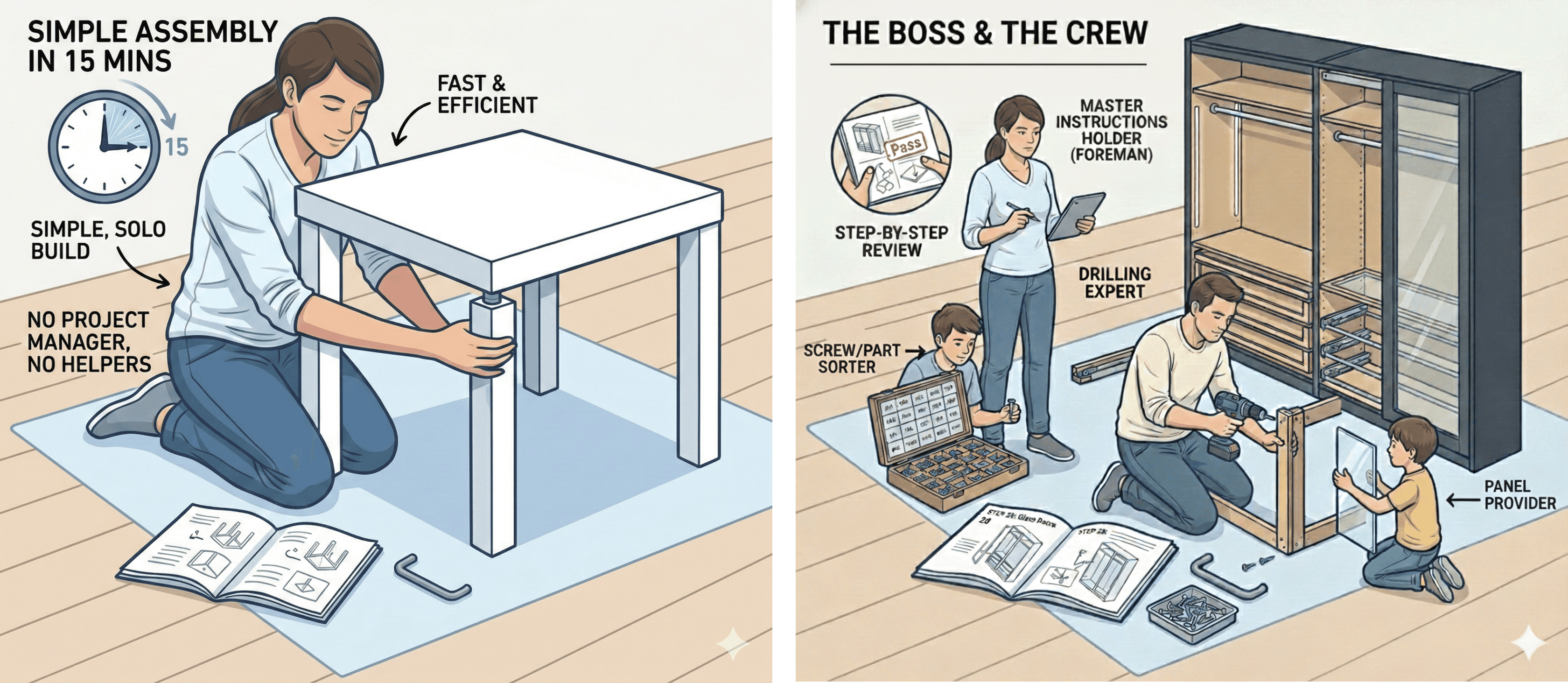
1. The Solo Parent = The Single Worker
The Project: Lack Side Table.
It’s four legs and a top. You don’t need a project manager. You don’t even need a helper. You clear the floor, open the one-page manual, twist the legs on, and you’re done in fifteen minutes.
How it works: This is a single worker architecture. One digital worker takes the full request, processes it from start to finish, and delivers the answer. It is fast and efficient.
This one person can handle multiple tasks such as drilling and lifting, a MacGyver if you will, but it would take more time and not necessarily would be the most efficient in planning.
Best for: Straightforward tasks that requires one skill. Use this to summarize one email, generate a standard reply, or route a support ticket.
The Rule: If one person can do it in fifteen minutes, do not invite the neighborhood to help.
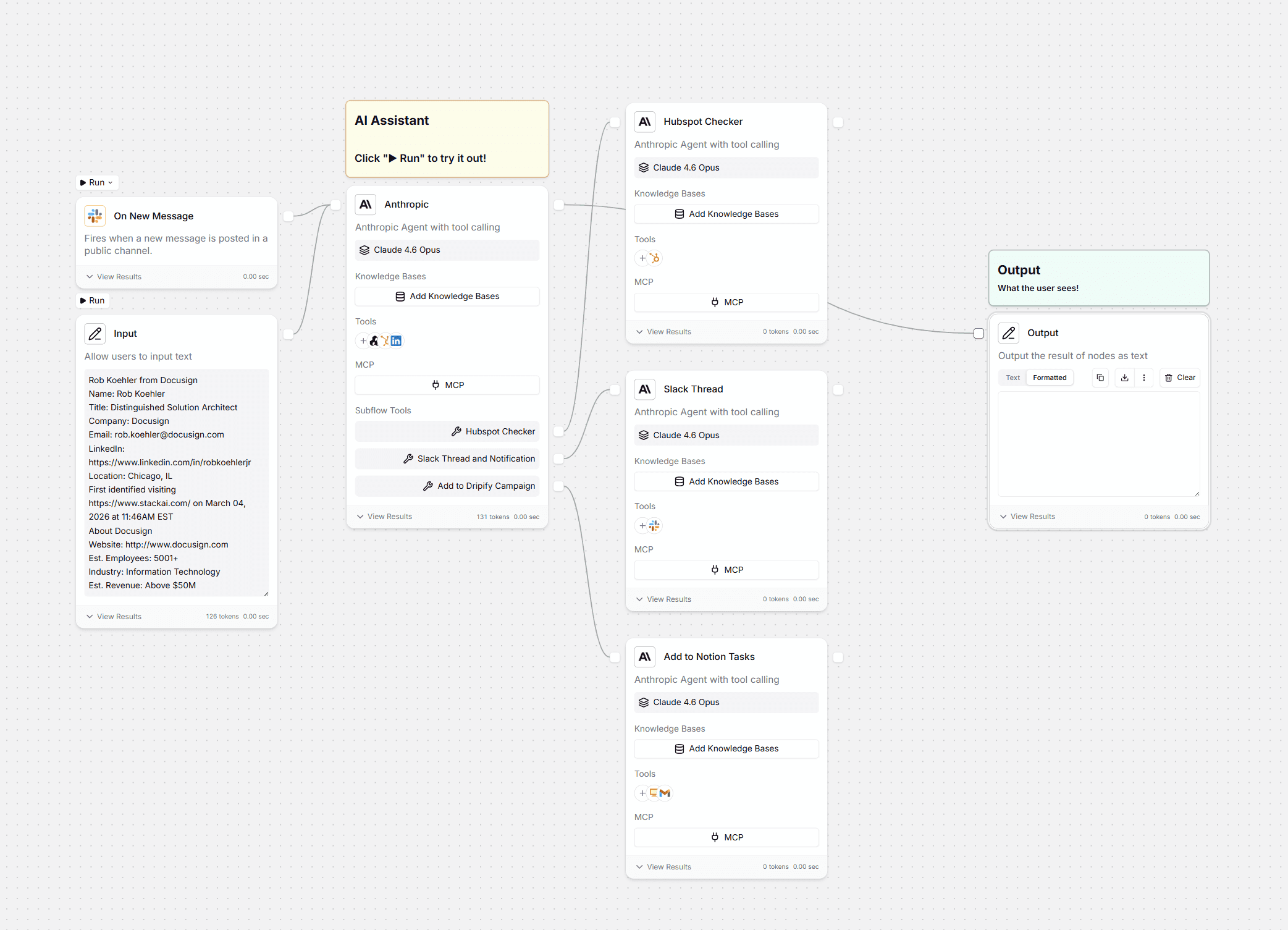
2. The Family Wardrobe Project = The Boss and the Crew
One of the most common architectures in Agentic AI Systems Design.
The Project: PAX Wardrobe.
This is a serious build. It has sliding glass doors, internal lighting, and complex drawers. This project needs a foreman.
How it works: This is a coordinated crew. One foreman holds the master instructions and understands the final goal. Dad drills the frame, the drilling expert. The teenager sorts the hundreds of screws and provides them in time for the specific step. The youngest kid passes the right panels at the right time. The foreman reviews each major step before the crew moves to the next. Hopefully this family gets along well.
Usually this set up is extra efficient and when handled correctly generates great results with minimal hallucinations. Each crew member can be tested and handled separately.
Best for: Projects where one step requires a special skill and the next step requires another. It’s perfect when your worker needs to search a massive database and then check company policy rules before writing a legal summary.
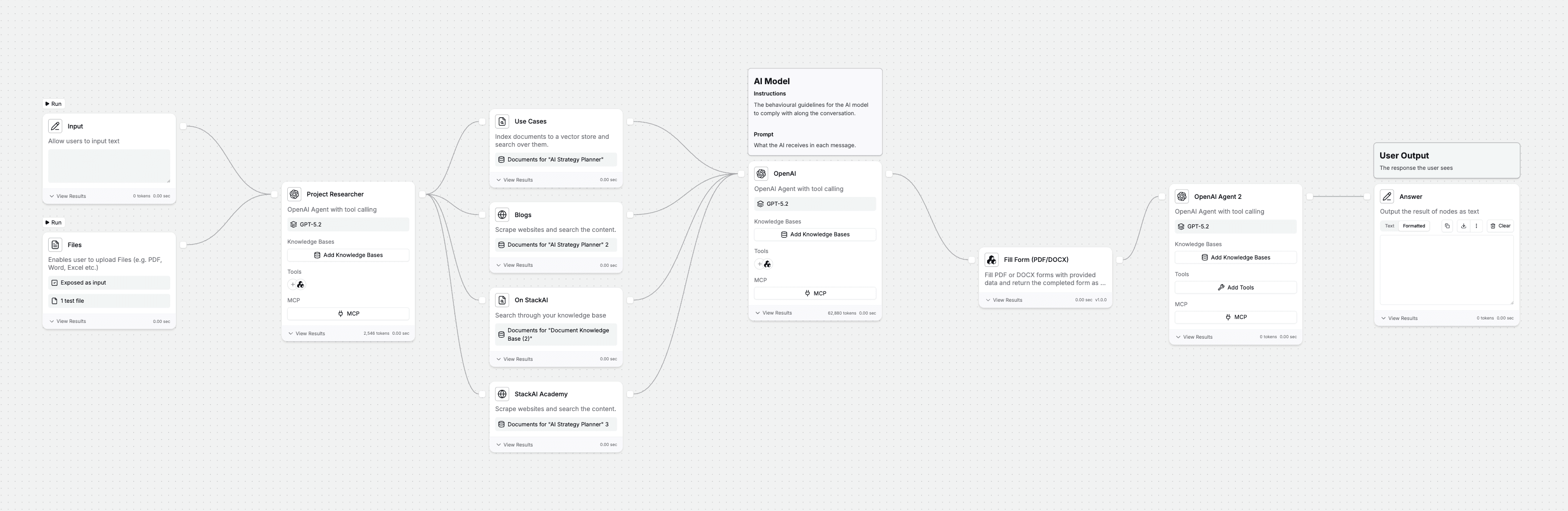
3. The TaskRabbit Professional Team = The Efficient Line
The Project: Furnishing an entire twenty-unit apartment complex.
You don’t want creativity. You want a relentless, repeatable flow. You are essentially building the same four items over and over again for days.
How it works: This is a professional assembly line. This crew doesn’t talk. Each station does one job, then passes the item to the next station. One person moves room to room unboxing everything. A second person follows, sorting hardware into specific zones. A third person builds the frames. A fourth inspects the work.
Best for: High-volume operational workflows where consistency is more important than unique thinking. It’s ideal for processing a loan application, moving from intake to verification to classification to approval.
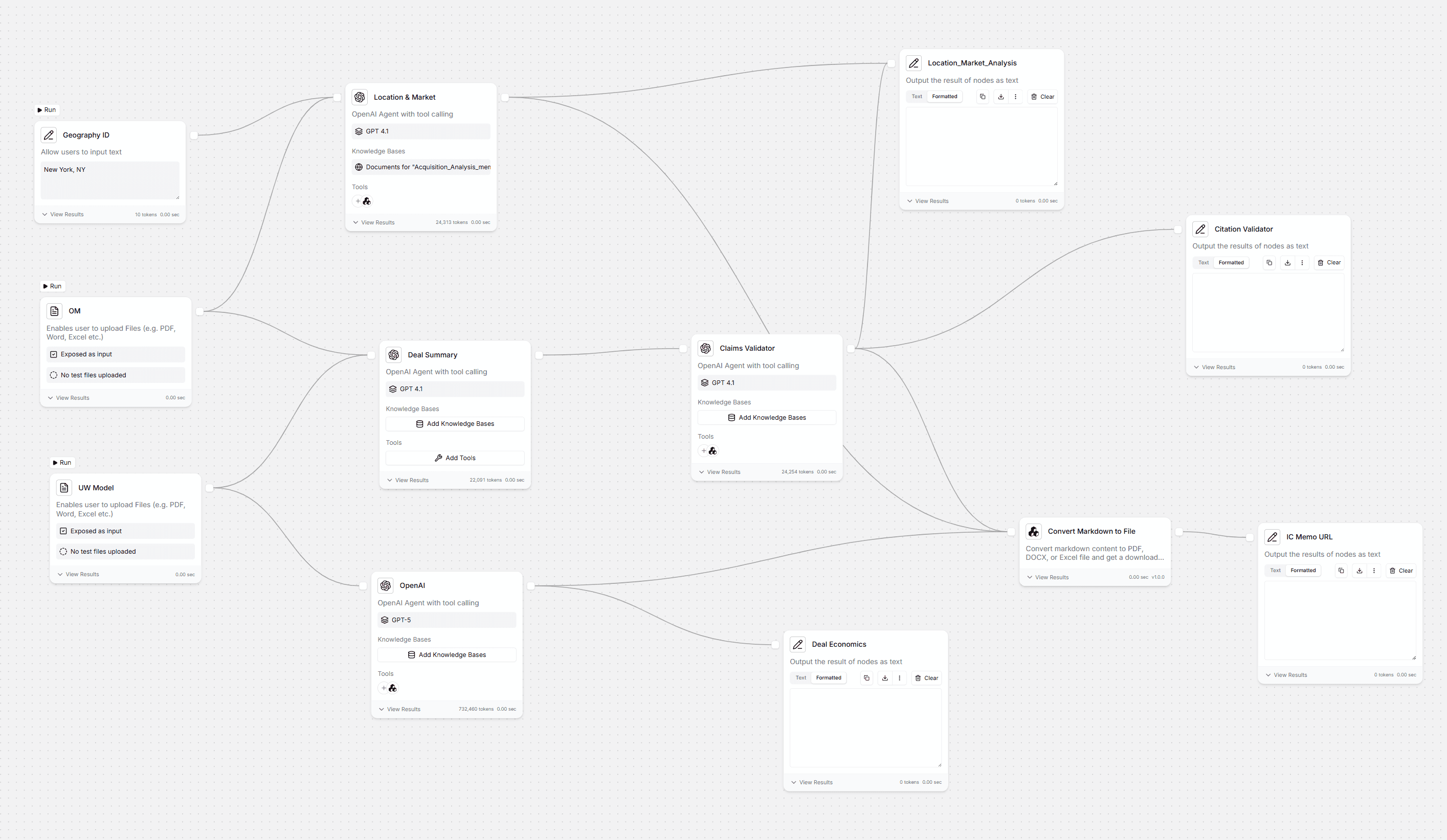
4. The Creative Lab Swarm = The Innovation Team
The Project: 3 BESTÅ units converted into a hidden doorway (that’s a real project, if anyone is interested)
There is no manual for this. You have assembled a team of experienced builders, designers, and engineers standing around a pile of wood. Nobody knows the final answer yet.
How it works: This is a swarm architecture. The agents are all peers. The materials scientist challenges the engineer. The anthropologist proposes a new way to use the space. They talk back and forth, self-correcting, proposing workarounds, and validating each other’s ideas until they discover a new solution.
Best for: The problem is ambiguous and has no single correct path. Use this for deep research, creating entirely new code from scratch, or strategic scenario planning.
Project | Crew Style | Who is doing the work? | Use Case |
|---|---|---|---|
Simple Table | Solo Parent | One worker, one manual | Summarizing a document |
Wardrobe | Family Crew | Coordinated specialists | Legal compliance check |
Apartment Block | TaskRabbit Line | A repeatable factory | Processing invoices |
Hidden doorway | Innovation Swarm | Creative peers | Market research |
The Golden Rule of Assembly
Assigning five people to build a bedside table isn't cutting-edge. It creates confusion and costs more money. The best system is not the one with the most workers. It is the setup that gets the sturdy bookcase built without errors.
The StackAI Point of View
We believe in reliable execution. Whether you need a lone parent with a wrench, a coordinated family crew, or a full professional assembly line, the goal remains the same. You need a stable product, you need it fast, and you cannot have parts left over. Want to learn more? Get a personalized demo with our AI experts here.

Shani Fargun
VP of Healthcare at StackAI